Books / The Psychology of Money

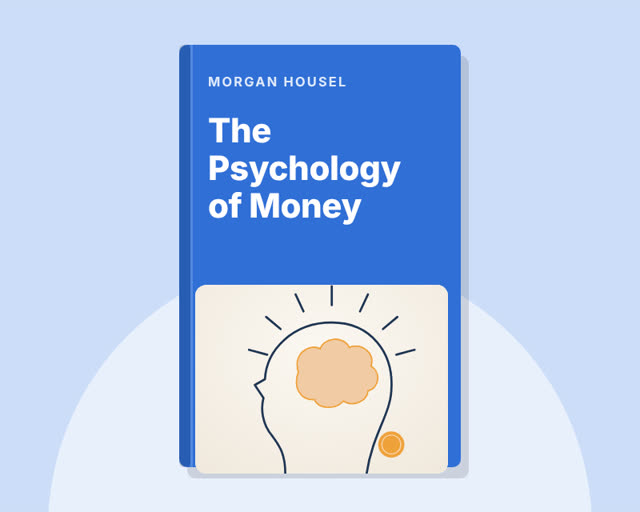
The Psychology of Money by Morgan Housel — illustrated cover

The Psychology of Money

by Morgan Housel

Morgan Housel argues that managing money is less like physics and more like psychology. It is a soft skill, where behavior matters more than intelligence or technical knowledge. Through a series of short stories, he shows that people make money choices based on their own life experiences, so no one is truly crazy. He explains how luck and risk shape every outcome, why compounding rewards patience over brilliance, and why staying wealthy needs different habits than getting wealthy. Housel shows that real wealth is the money you don't spend and can't see. He also argues that knowing when you have enough protects you from ruin. Above all, he says money's greatest value is the freedom to control your own time. The book offers a humble, practical way to think about saving, investing, and living well.

7 narrated, animated lessons · about 15 minutes in total.

Play lesson 1
The Psychology of Money summary, chapter by chapter

  1. Lesson 1 · 2:10

    No One Is Crazy About Money

    Everyone's money decisions make sense to them because they are shaped by the particular slice of history and experience each person has lived through.

  2. Lesson 2 · 2:10

    Luck and Risk Are Twins

    Outcomes are never purely the result of our decisions, so we should be humble about success and forgiving about failure, both our own and others'.

  3. Lesson 3 · 2:14

    Time Is the Real Superpower

    Compounding rewards staying invested for a very long time far more than finding the highest returns, which is why patience beats brilliance.

  4. Lesson 4 · 2:08

    Getting Rich Versus Staying Rich

    Getting wealthy takes optimism and risk, but staying wealthy takes caution, frugality, and enough room for error to survive the bad times.

  5. Lesson 5 · 2:07

    Wealth Is What You Don't See

    True wealth is the money left unspent, so flashy possessions often signal less wealth, not more, and rarely earn the admiration people hope for.

  6. Lesson 6 · 2:15

    Knowing When You Have Enough

    Without a sense of enough, the goalposts keep moving, and people risk things they truly need to chase things they don't.

  7. Lesson 7 · 1:59

    Money's Greatest Gift Is Freedom

    Saving, patience, and room for error all lead to the biggest reward money can give, which is control over how you spend your time.

More books